


Heads up! We may use affiliate links in this post. You'll never pay more, but we might earn a small commission if you buy - thanks for supporting us! See our full disclosure here.
Somewhere between your eighth Sunday night hair mask and that one heatless curls hack you swore would change your life, you’ve probably encountered castor oil.
Thick, sticky, slightly retro-feeling — it’s the sort of beauty remedy that’s been passed down like a whispered secret, often from someone with seriously good hair.
But if you’ve got low porosity hair — the kind that repels moisture faster than you can say “leave-in conditioner” — you might be wondering: Is castor oil actually helping… or just sitting there?
Here’s the thing — low porosity hair behaves differently. The tightly bound cuticle layer doesn’t exactly roll out the red carpet for moisture, which means thick oils (like castor) can sometimes feel more like a suffocating winter coat than a nourishing hug.
So, where does that leave us with the cult favourite oil-of-all-trades? Let’s break it down!
So, What Is Castor Oil?
At its core, castor oil is a vegetable oil pressed from the seeds of the castor bean plant (Ricinus communis, if we’re being formal).
Native to tropical regions of Africa and Asia, it’s been used for centuries in everything from ancient Egyptian rituals to your auntie’s favourite scalp remedy. But what gives it its staying power in beauty routines is its rich, almost syrupy texture and unique composition.
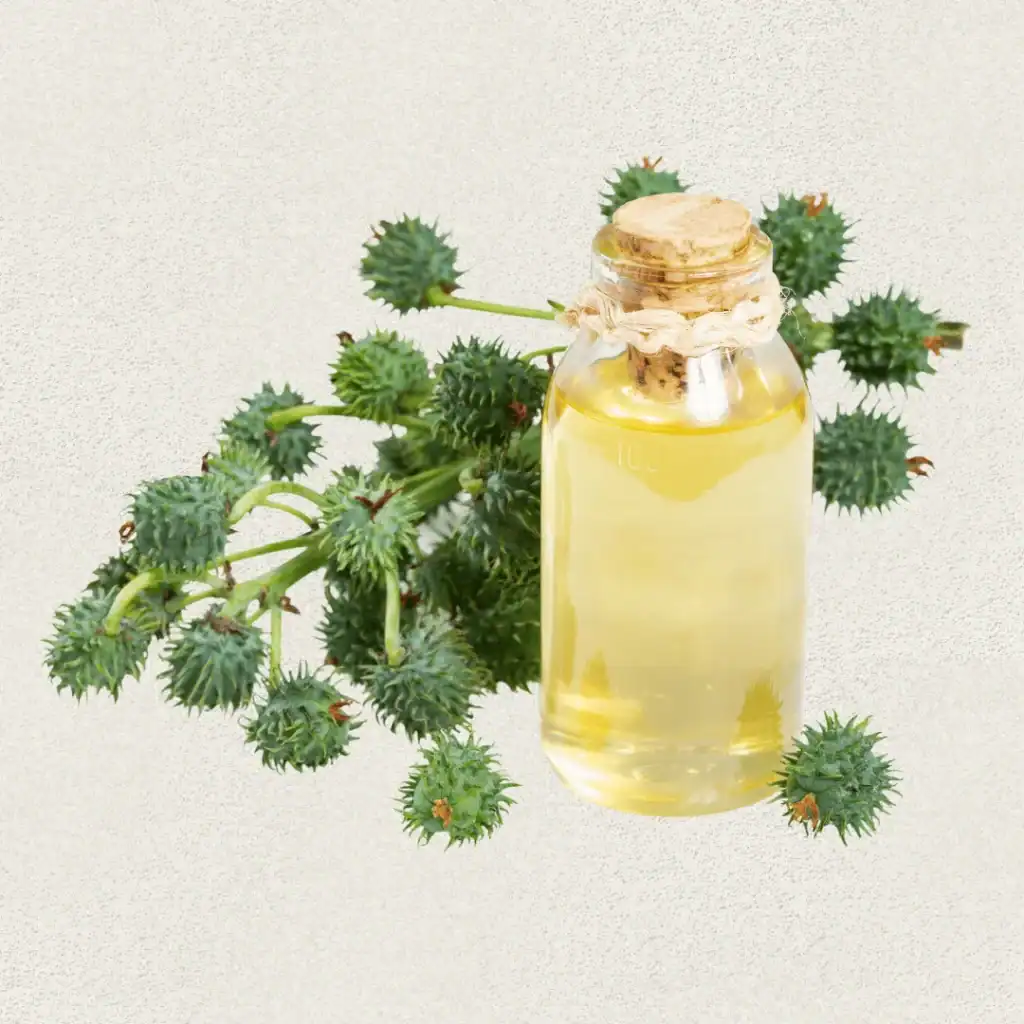
What makes it special? Ricinoleic acid — a rare fatty acid that’s only found in high concentrations in castor oil. It gives the oil its anti-inflammatory, antibacterial, and deeply moisturising properties, making it a go-to for everything from dry scalps to thinning edges.
There are a few types out there, but the one you’ll see trending most often is Jamaican Black Castor Oil (JBCO). It’s darker, smokier (thanks to the ash from roasted castor beans), and beloved for its intense scalp-conditioning powers. People reach for it when they want hair that feels fuller, glossier, and more resilient over time.
What Is Low Porosity Hair?
Low porosity hair has a smooth, flat cuticle structure, making it resistant to both absorbing and losing moisture. That can be a blessing (less frizz! longer moisture retention!) and a curse (hello, product buildup).
It also means heavier oils tend to just… sit on top. You’ll know the feeling — that slick layer that refuses to soak in no matter how long you steam or pray over your strands.
Castor oil, specifically Jamaican black castor oil, is one of the heaviest plant-based oils. It’s rich in ricinoleic acid (great for scalp circulation and hair growth), but it’s also deeply occlusive — meaning it’s fantastic at sealing moisture in if your hair’s already hydrated.
If not? It can trap dryness inside like a time capsule.

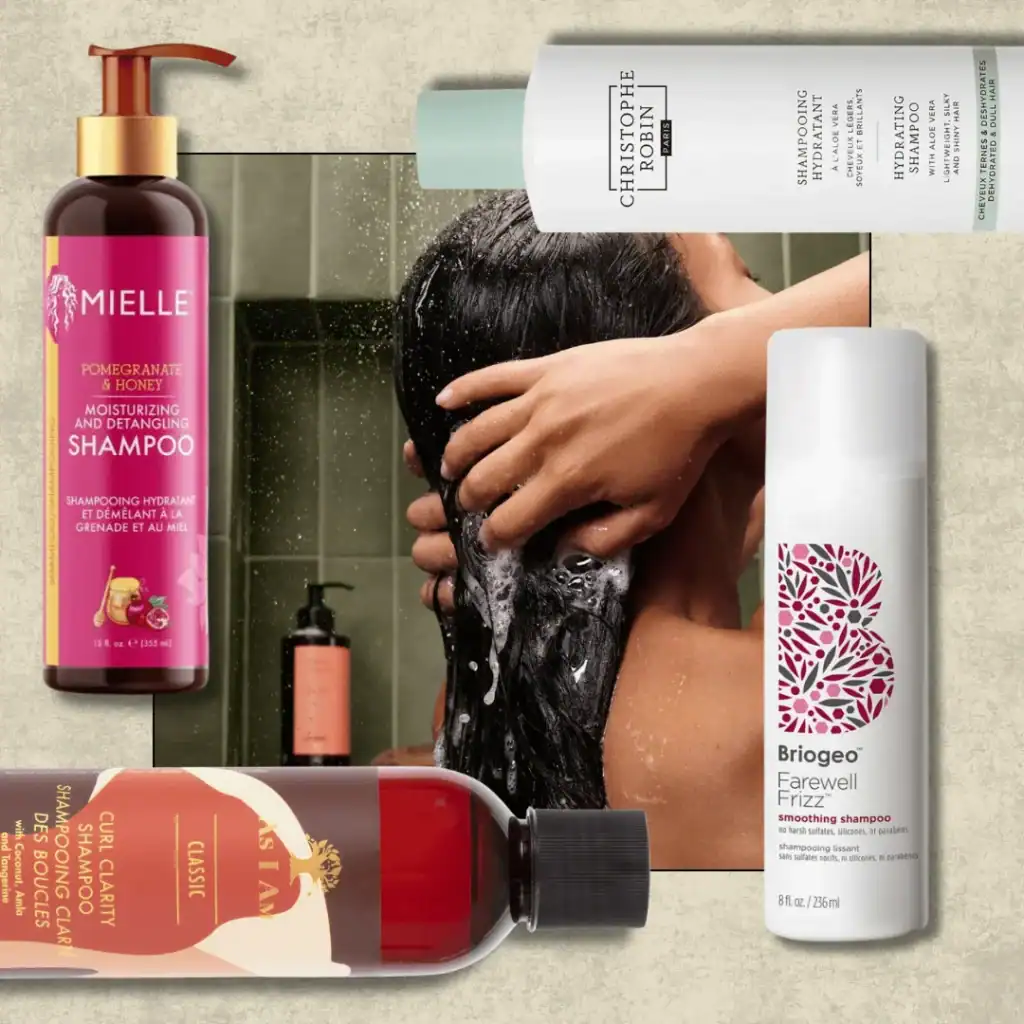

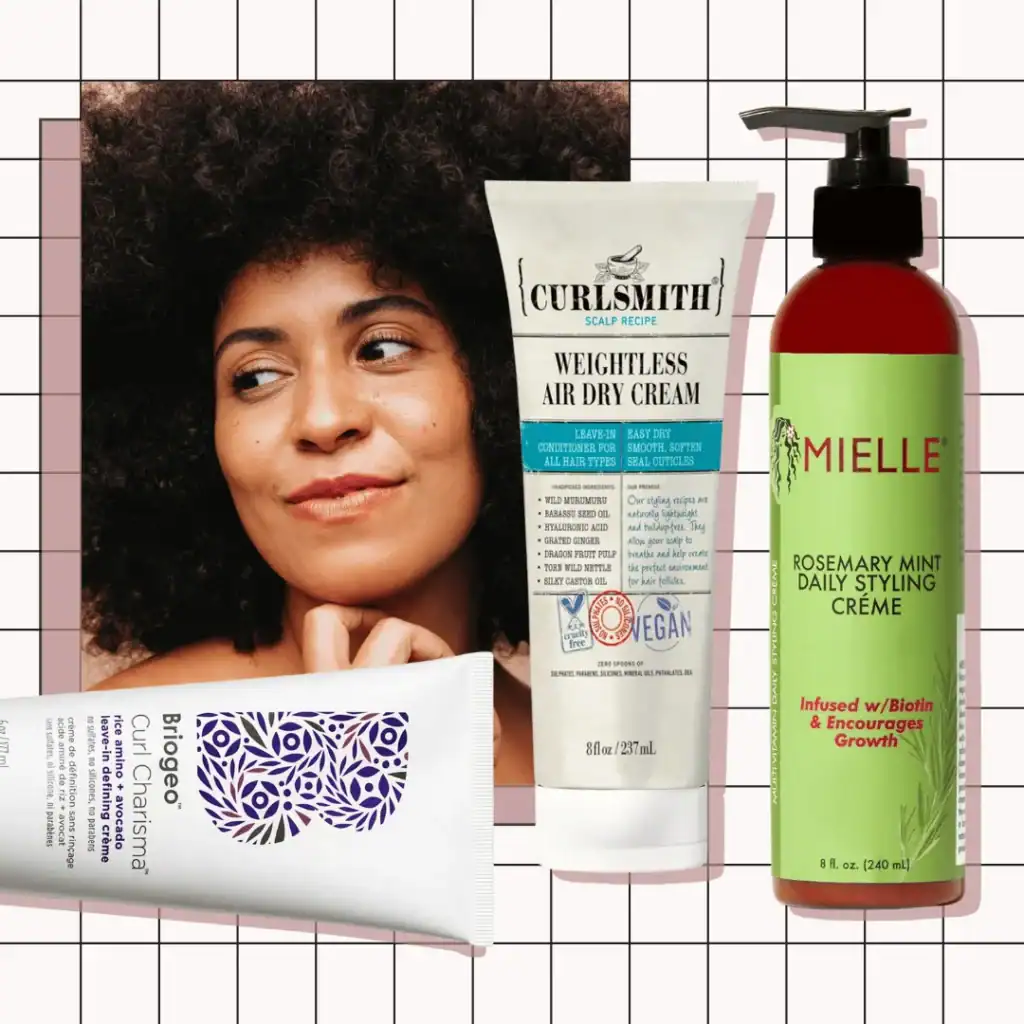
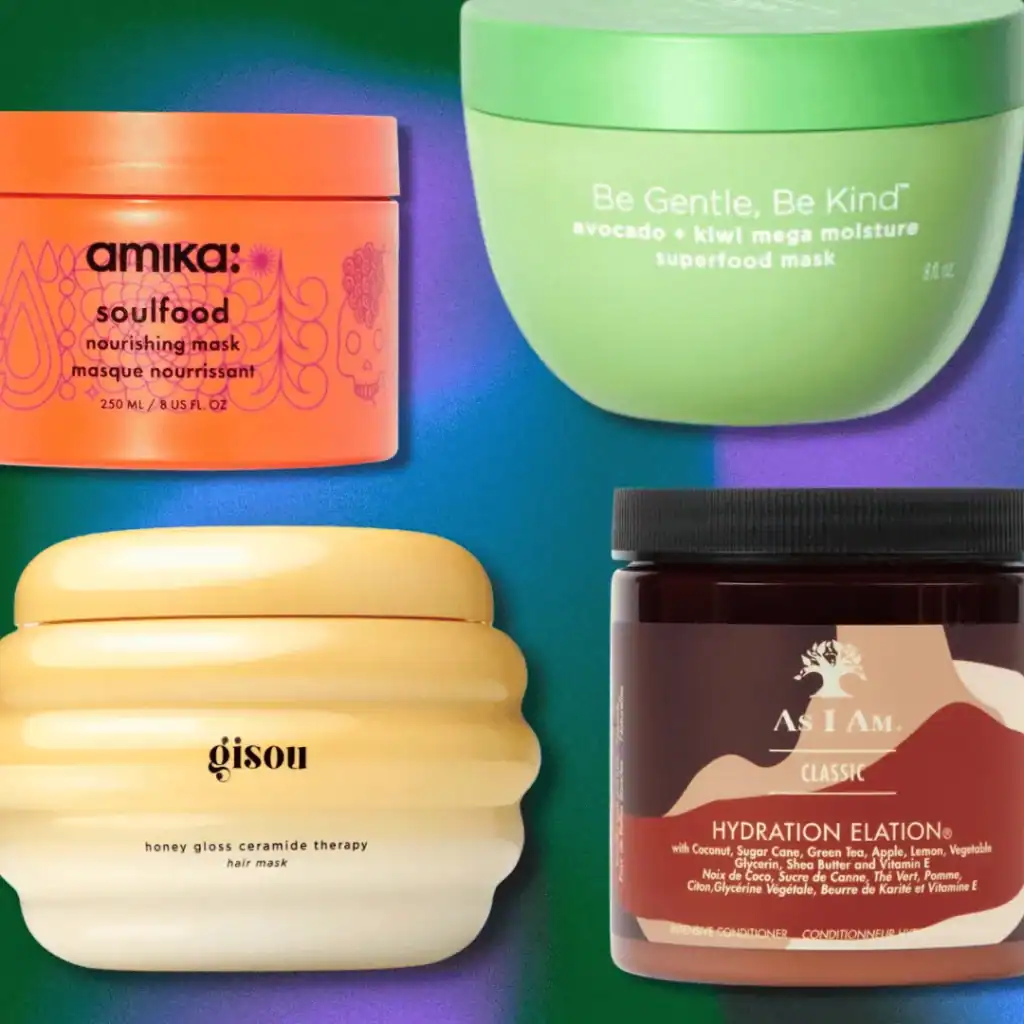

So… Should You Use It?
In short: well…yes, BUT strategically. Castor oil isn’t the villain here, but it does need a bit of direction.
Here’s how to make it work for low porosity hair:
- Apply on damp, conditioned hair, never dry. Think of castor oil as a sealant, not a hydrator. It needs moisture underneath it to do its job properly.
- Use it sparingly or mix it with lighter oils like argan or jojoba to improve absorption and spreadability. A little goes a long way — we’re not trying to fry an egg here.
- Focus on the scalp. If you’re looking to support hair growth or soothe irritation, castor oil massaged into the scalp (with a warm towel wrap after) can be surprisingly effective without compromising the hair shaft.
- Clarify regularly. Product buildup is a real risk with low porosity hair, so make sure you’re gently clarifying every couple of weeks, especially if you use heavier oils.
Does Hair Thickness Change The Game?
It does — quite a bit, actually. While porosity determines how well your hair absorbs and retains moisture, thickness (aka the diameter of each individual strand) influences how much weight your hair can handle before it starts to feel heavy, greasy, or limp.
So if you’ve got fine, low porosity hair, castor oil can feel like a bit of a mismatch. It’s almost too rich — like wearing a faux fur coat in July.

In this case, it might sit on your strands, weigh them down, and make styling a chore. You’re better off using castor oil only on the scalp, or diluting it with a lighter carrier oil (grapeseed, sweet almond or jojoba are all great options).
On the other hand, if you’ve got thick, coarse, low porosity hair, castor oil can be more of a win, especially on your ends.
Those heavier strands can handle the weight, and the oil’s dense texture helps keep moisture sealed in, which is key if you’re trying to stretch a twist-out or protect your hair between wash days.
YOU MIGHT LIKE THIS: Got Low Porosity Hair? These Are The Best Oils To Use!
What About Hair Growth?
This is the part where people start lighting candles and manifesting edges.
Castor oil has long been associated with growth, mostly anecdotally — and while scientific backing is limited, many swear by its ability to nourish the scalp and reduce breakage over time.
That said, growth is a marathon, not a miracle. Castor oil might be part of your toolkit, but it’s not a silver bullet (and that’s okay).
The Bottom Line
Castor oil isn’t a universal fix, but it can be a smart, targeted addition to your routine, especially if you’re working with low porosity hair and know how to work with its texture, not against it.
Think of it less as a hero product and more as a support act — the thing that holds everything in place once the real moisture work has been done.
If your strands are thick enough to handle it, and your routine already includes proper hydration, castor oil could be the missing link. But if it feels like too much, don’t force it — your hair might be asking for something lighter, and that’s more than okay.