

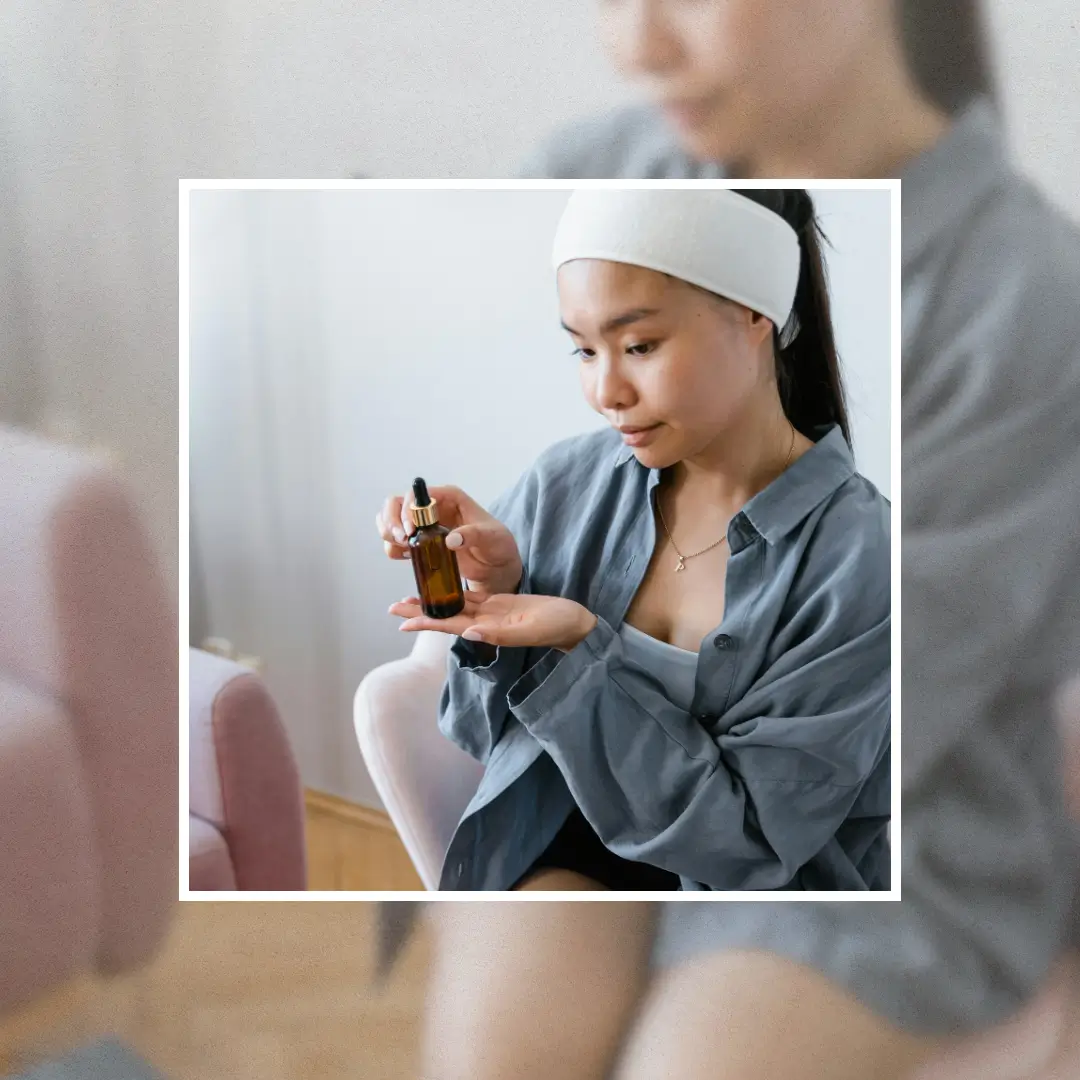
Essential oils have a bit of a reputation problem in skincare. They’re either hailed as miracle workers or written off as too intense for the face—no middle ground.
In reality, they sit somewhere far more reasonable: useful when chosen carefully, frustrating when treated like a one-size-fits-all solution.
When used thoughtfully, certain essential oils can support facial skin by calming inflammation, balancing oil production, or adding a sensory element that makes a routine feel more intentional.
PIN FOR LATER 📌

The catch is that not every essential oil belongs on every face—and more is rarely better. Dilution, skin type, and context matter more than trends ever will.
The best way to see essentials for skin care is more like supporting players: paired with the right carrier oils, used sparingly, and chosen with your skin’s actual needs in mind.
Ahead, the best essential oils for face care, broken down by skin type—plus what to know before working them into your routine.
What to Know Before Using Essential Oils on Your Face
Before essential oils earn a spot in your skincare routine, there are a few non-negotiables worth understanding. Not in a fear-mongering way—just in a this will save you a lot of irritation later way.
- First, essential oils should never be used straight on the skin. They’re highly concentrated plant extracts, which means they need to be diluted with a carrier oil before touching your face. Carrier oils (think jojoba, squalane, rosehip, or sweet almond oil) help buffer potency while delivering moisture, making the experience both safer and more effective.
- Patch testing also matters more than people like to admit. Even oils considered “gentle” can trigger reactions, especially if you have sensitive or acne-prone skin. A small test behind the ear or along the jawline can tell you far more than a glowing product review ever will.
- It’s also worth remembering that essential oils aren’t interchangeable. Tea tree oil, for example, can be helpful for oily or acne-prone skin when used sparingly—but it’s often too aggressive for dry or sensitive skin. Citrus oils, including lemon essential oil, can increase photosensitivity, which makes them a questionable choice for daytime face care. Context matters.
- Finally, restraint is the secret ingredient. Essential oils work best in low concentrations and as part of a broader routine—not layered on top of already active-heavy products. If your skincare lineup is already doing a lot, essential oils should complement it, not compete with it.




Best Essential Oils for Face, by Skin Type
| Skin Type / Concern | Best Essential Oils | Why They Work | Best Carrier Oils to Pair With |
|---|---|---|---|
| Dry Skin | Lavender, Clary Sage | Help soothe irritation, support barrier function, and reduce the look of dryness | Jojoba oil, rosehip oil, sweet almond oil |
| Oily Skin | Clary Sage, Tea Tree | Help balance excess oil and keep pores clear without stripping the skin | Jojoba oil, grapeseed oil, squalane |
| Acne-Prone Skin | Tea Tree, Lavender | Offer antibacterial and calming properties when used sparingly | Jojoba oil, hemp seed oil |
| Sensitive Skin | Lavender (low concentration only) | Known for calming properties, but must be used with extra care | Squalane, jojoba oil |
| Fine Lines & Early Ageing | Lavender, Clary Sage | Known for its calming properties, but must be used with extra care | Rosehip oil, argan oil |
| Combination Skin | Lavender, Clary Sage | Flexible options that work well across zones when properly diluted | Jojoba oil, squalane |
How to Use Essential Oils in a Face Routine
When it comes to essential oils and facial care, how you use them matters just as much as which ones you choose. The goal isn’t to overhaul your routine—it’s to integrate them in a way that feels supportive, not disruptive.
The most common (and skin-friendly) approach is to mix essential oils into a carrier oil rather than applying them directly.
A good rule of thumb is one to two drops of essential oil per tablespoon of carrier oil. This keeps the concentration low enough for facial skin while still allowing you to benefit from the oil’s properties.
If you’re newer to essential oils or have sensitive skin, err on the lower end.
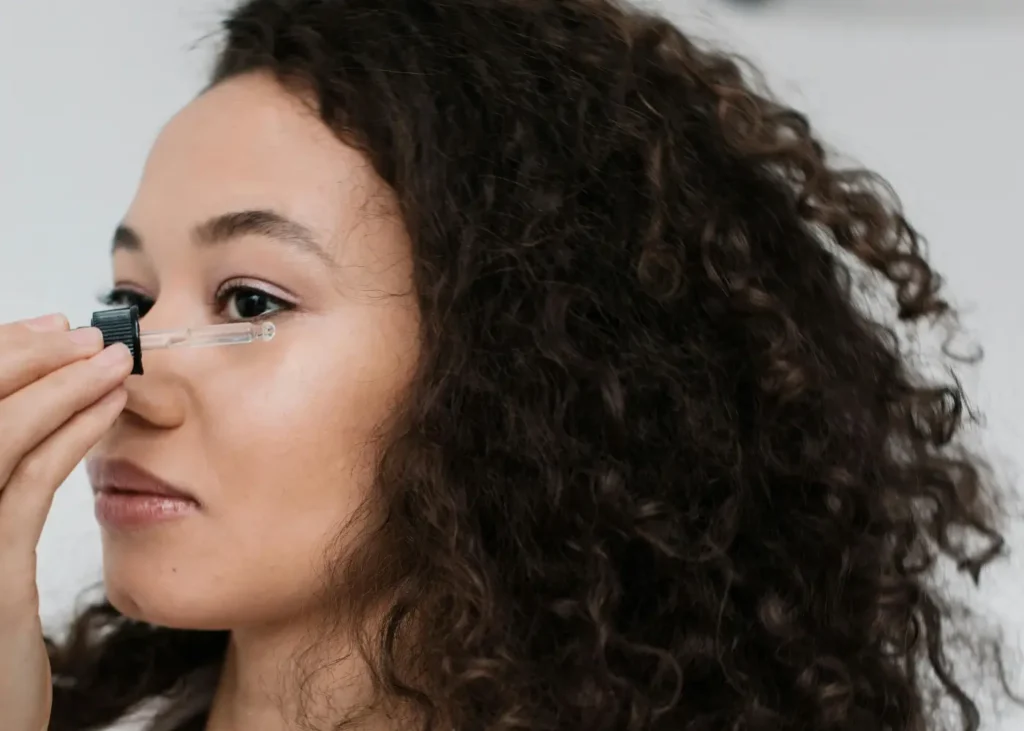
You can also customise this depending on where your routine needs support. Adding a drop of a diluted oil blend to your moisturiser at night can help seal in hydration without layering on another full step.
Others prefer using oil blends during facial massage—especially in the evening—when there’s more time to slow down and less risk of irritation from sun exposure.
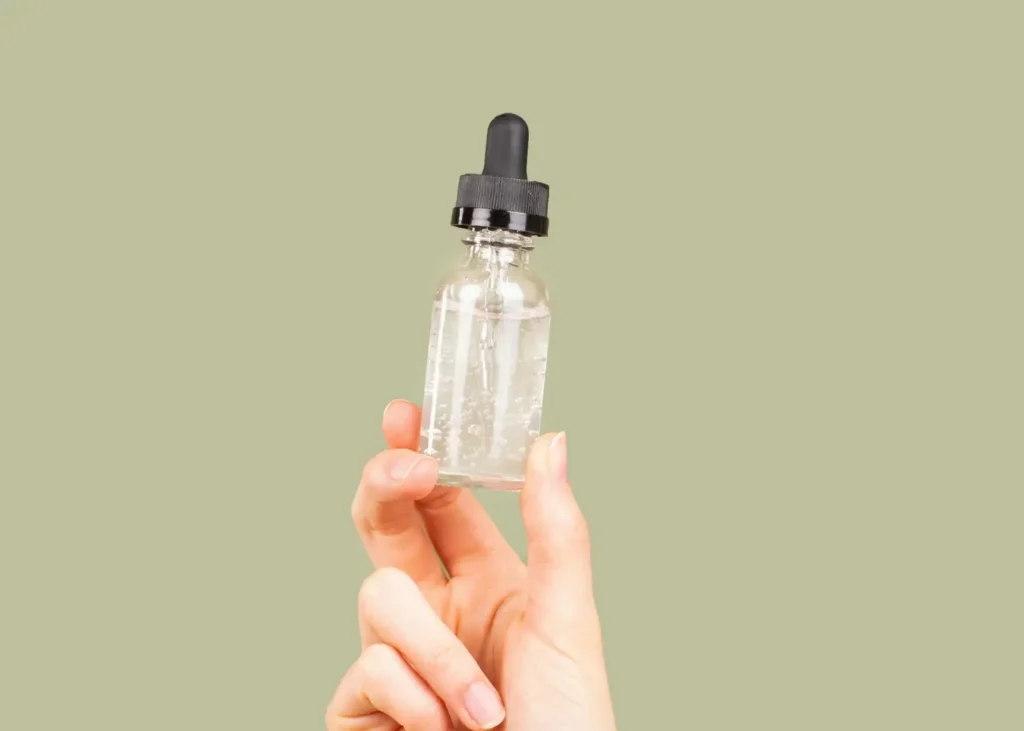
Timing matters, too. Essential oils are generally best used at night, when your skin is in repair mode, and you’re less likely to encounter factors like UV exposure (especially important if you’re using oils that may increase sensitivity).
Keep the rest of your routine relatively simple on those nights—gentle cleanser, oil or moisturiser, done.
Above all, treat essential oils as accents, not the main event. They work best when they complement an already solid skincare routine, rather than competing with active-heavy products or being layered excessively.
Thoughtful, minimal use tends to deliver better results—and keeps your skin far happier in the long run.
YOU MAY ALSO LIKE: 10 Easy Homemade Face Masks For Acne Using Natural Ingredients
When to Skip Essential Oils Altogether
- If your skin barrier is compromised. During active irritation, eczema flare-ups, or post-procedure recovery, essential oils can be too stimulating and may slow healing rather than support it.
- If your routine already includes strong actives. Regular use of retinoids, exfoliating acids, or prescription treatments can make essential oils feel like one step too many. In these cases, simpler often works better.
- If you’ve reacted to essential oils in the past. Redness, itching, or breakouts—even with proper dilution—are signals worth listening to. Compatibility matters more than persistence.
- If your skin prefers fragrance-free products. Some skin types simply do better without added scent, and that’s not a shortcoming—it’s information.
- If you’re unsure or in a transition phase. When your skin is adjusting to a new routine, travel, stress, or seasonal changes, it’s usually best to hold off until things feel stable again.
Essential oils are optional, not essential. Skipping them isn’t a missed step—it’s often a thoughtful choice rooted in paying attention to what your skin actually needs.
SEE ALSO: