

Heads up! We may use affiliate links in this post. You'll never pay more, but we might earn a small commission if you buy - thanks for supporting us! See our full disclosure here.
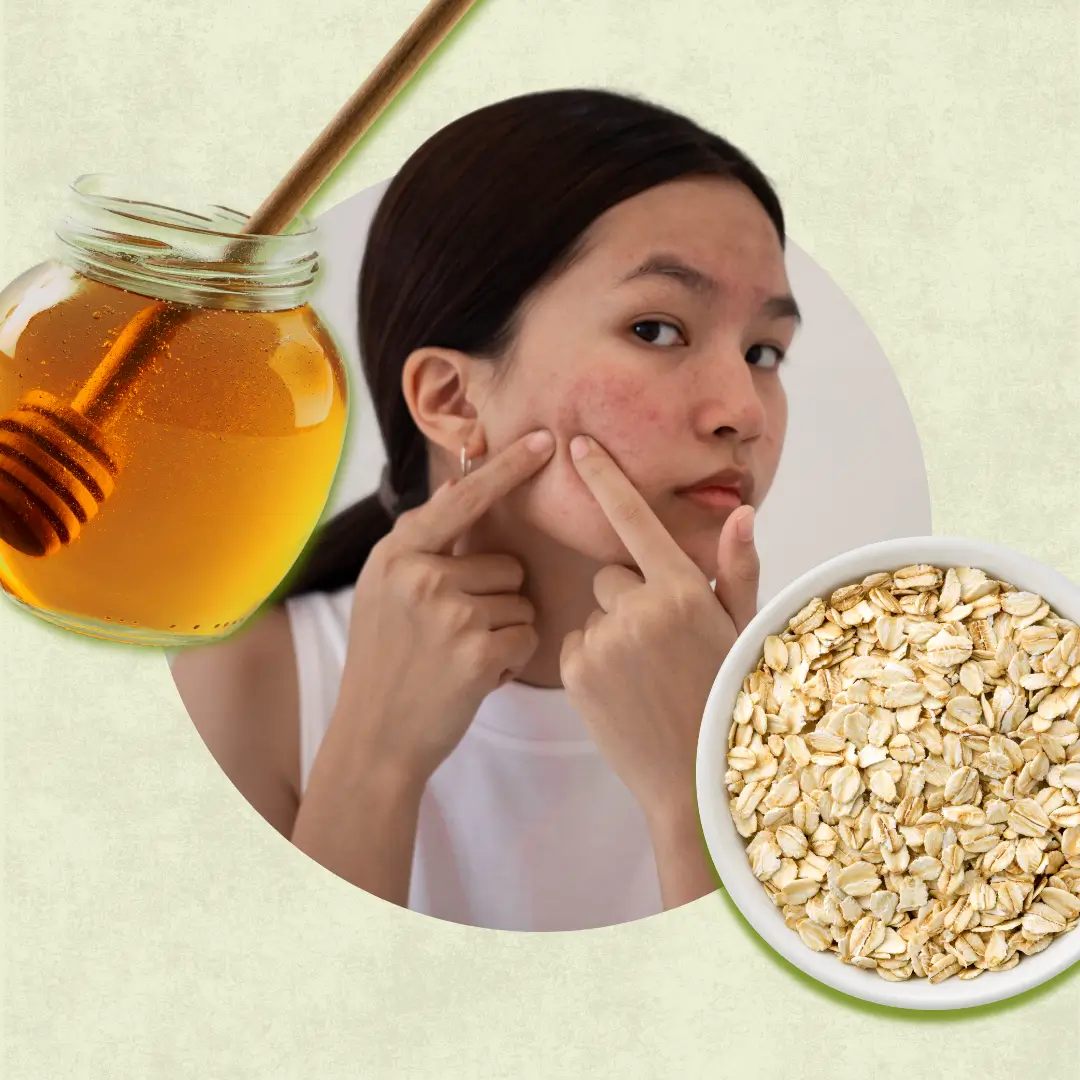
Acne has a way of showing up right when you’re already feeling stretched thin—stressed, tired, or just trying to get through the week without adding one more thing to your plate!
And while there’s no shortage of buzzy treatments and prescription-grade formulas promising overnight results, sometimes the most comforting place to start is at home, in your own kitchen, with ingredients that feel familiar and unintimidating.
PIN FOR LATER
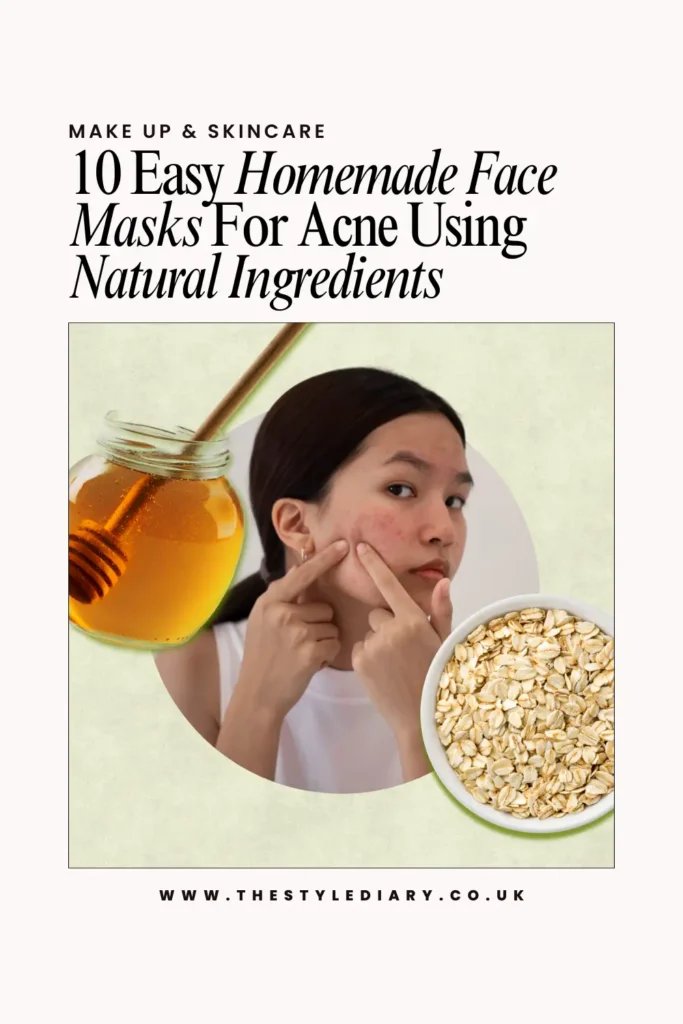
Homemade face masks can be a thoughtful, low-pressure addition to an acne routine—especially when your skin is feeling reactive or over-treated.
Think soothing clays, calming botanicals, and pantry staples that support balance rather than overwhelm.
Read on for 10 homemade face masks for acne that feel gentle and refreshingly doable.
What Acne Actually Is (And Why It Can Be So Stubborn)
Acne isn’t a one-size-fits-all situation.
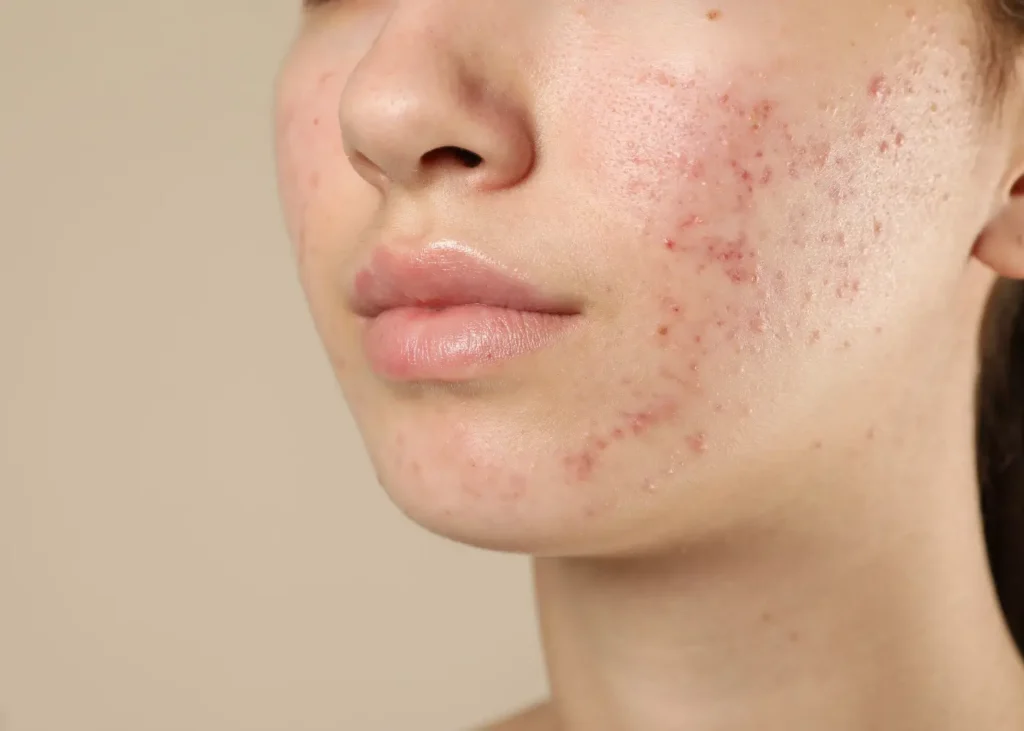
At its core, it happens when pores become clogged with excess oil, dead skin cells, and bacteria, which can lead to pimples, blackheads, or deeper inflammation.
Hormones, stress, diet, skincare habits, and genetics all play a role—so if your skin feels unpredictable, you’re not imagining it.
For acne-prone skin, the goal is balance.
That means supporting the skin barrier, keeping pores clear, and calming irritation rather than aggressively stripping the face.
This is where gentle, homemade face masks can fit into a routine in a supportive, low-key way.
YOU MAY ALSO LIKE: 12 Best Korean Moisturisers For Acne-Prone Skin
Are Homemade Face Masks Actually Good for Acne?
Homemade face masks (also called homemade face packs or DIY face masks) aren’t a replacement for dermatologist-approved treatment, but they can be a helpful complement.
When made thoughtfully, using natural ingredients, they can help absorb excess oil, soothe inflamed skin, and support overall skin comfort—especially if your face feels overtreated or sensitive.
A quick note before you apply anything: always patch test first, keep ingredients simple, and skip anything that stings or burns. Acne care should feel calming, not punishing!


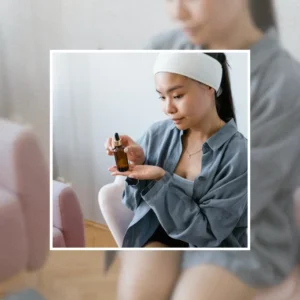
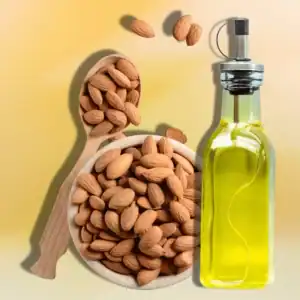

How to Use Homemade Face Masks Safely
- Start with clean skin and clean hands
- Use fresh ingredients each time
- Apply a thin, even layer—no need to overdo it
- Leave on for the recommended minutes only
- Rinse with lukewarm water and follow with moisturiser
- Use 1–2 times a week max
Now, onto the good part.
10 Homemade Face Masks For Acne
1. Clay Mask for Acne (Oil-Absorbing, Pore-Clearing)
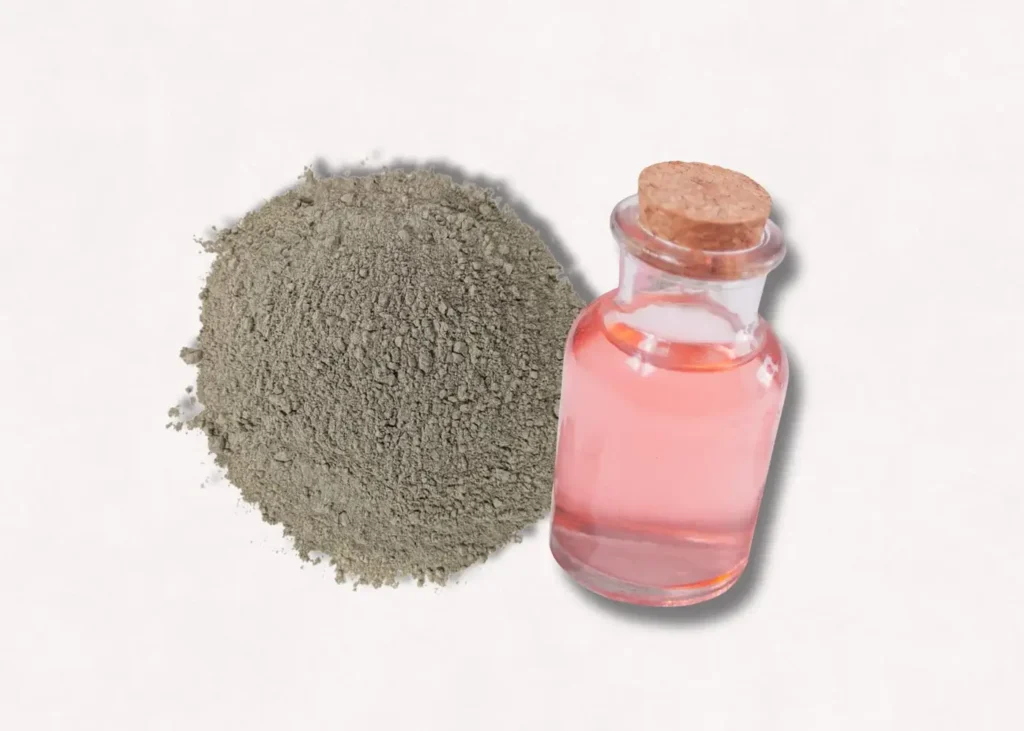
This homemade clay face mask works by gently drawing impurities and buildup from the pores, which can help minimise the look of pimples over time without aggressively stripping the skin. Perfect for oily or combination skin, or those moments when your face feels unbalanced and shiny by midday.
Ingredients
- 1 tablespoon bentonite or kaolin clay
- 1–2 tablespoons water or rose water
Directions
- In a small bowl, combine the clay with water or rose water, mixing slowly until you reach a smooth, yoghurt-like paste.
- Using clean fingers or a brush, apply a thin, even layer to clean skin, focusing on areas prone to acne and excess oil.
- Leave the mask on for 10–12 minutes. It should feel slightly tight, but not uncomfortable—avoid letting it fully crack or dry.
- Rinse gently with lukewarm water, using your fingertips to loosen the mask without scrubbing.
- Pat skin dry and follow with a lightweight moisturiser to support the skin barrier.
How often to use:
Once weekly is usually enough. If your skin leans sensitive or dry, start every other week and adjust as needed.
2. Oatmeal Mask for Acne (Calming & Barrier-Friendly)
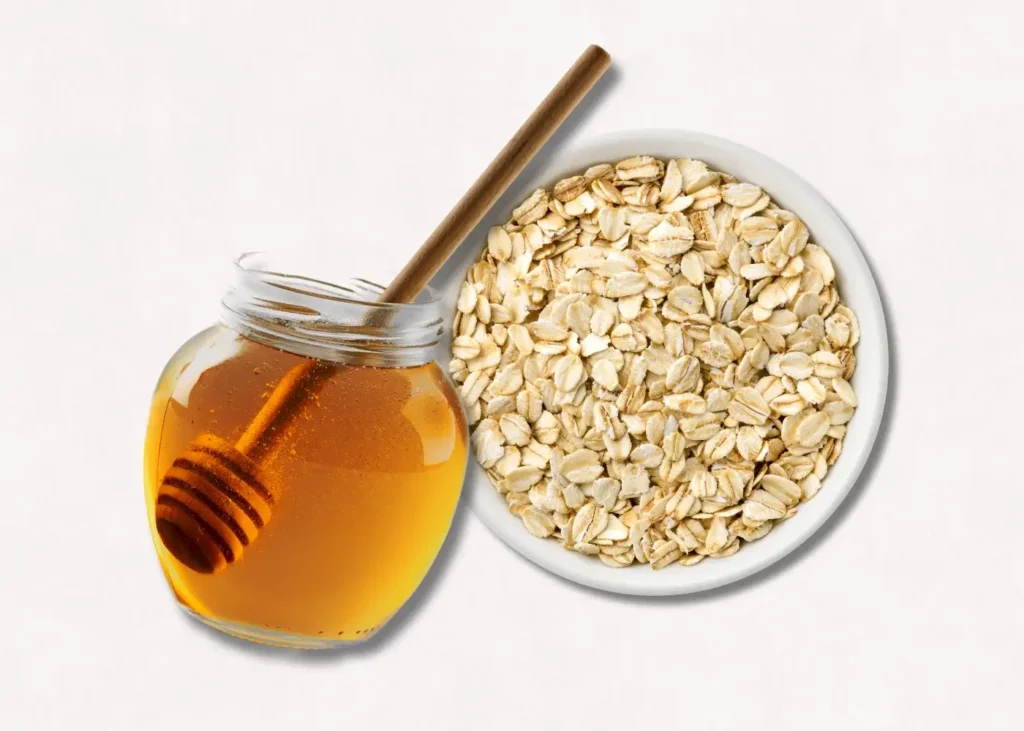
When acne shows up alongside redness or dryness, oatmeal is one of those quietly powerful ingredients that skin tends to love. This oatmeal mask helps calm irritation, gently absorb excess oil, and support the skin barrier—making it a smart option for acne-prone skin that also leans sensitive. It’s especially comforting during flare-ups or colder months when skin feels easily overwhelmed.
Ingredients
- 2 tablespoons finely ground oats
- 1 tablespoon honey
- Warm water (as needed)
Directions
- In a bowl, mix the ground oats and honey, adding small amounts of warm water until a soft, spreadable paste forms.
- Apply an even layer to clean skin, avoiding the eye area.
- Leave on for 15 minutes, allowing the mask to gently settle rather than dry completely.
- Rinse with lukewarm water, using light circular motions to remove without scrubbing.
- Follow with moisturiser to lock in hydration.
How often to use:
Up to twice weekly, especially when skin feels dry or reactive.
3. Aloe Vera & Honey Soothing Mask
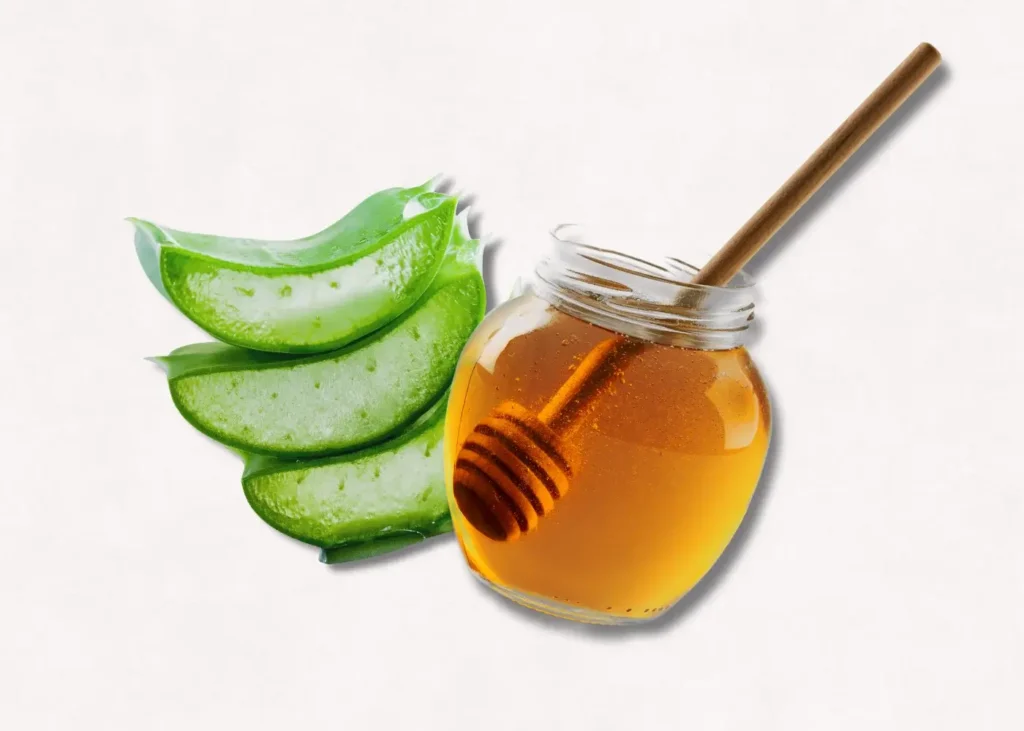
This simple homemade face mask focuses on comfort first. Aloe vera soothes inflamed skin while honey helps retain moisture, making this a reliable option for acne that feels tender or stressed. It’s a nice reset after active treatments or exfoliation.
Ingredients
- 1 tablespoon aloe vera gel (vera gel)
- 1 tablespoon raw honey
Directions
- Mix aloe vera gel and honey until fully blended.
- Apply a thin layer to clean skin using clean fingers.
- Leave on for 15 minutes to allow the ingredients to calm the skin.
- Rinse gently with water and pat dry.
- Apply your usual moisturiser.
How often to use:
1–2 times per week, or anytime skin needs soothing.
4. Turmeric & Yoghurt Brightening Mask
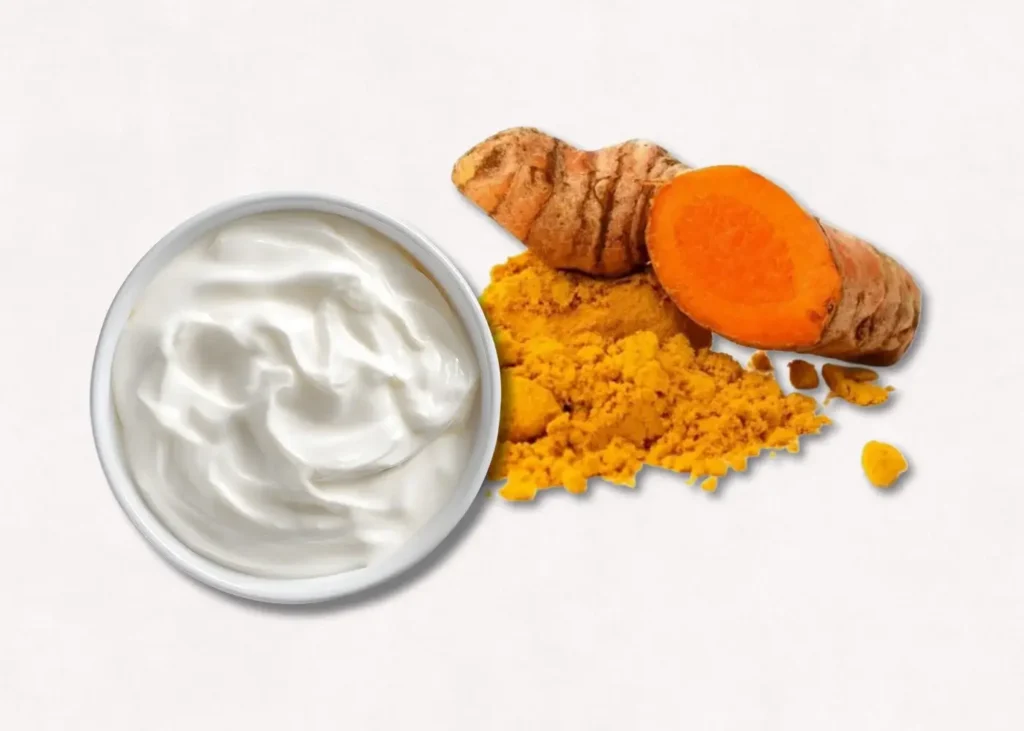
This face pack combines turmeric powder with yoghurt to support clearer-looking skin while gently addressing post-acne dullness. It’s a popular home remedy for pimples, but best used mindfully and sparingly.
Ingredients
- 1 teaspoon turmeric powder
- 1 tablespoon plain yoghurt
- A few drops of water (optional)
Directions
- Mix all ingredients into a smooth paste.
- Apply a very thin layer to clean skin.
- Leave on for 8–10 minutes only.
- Rinse thoroughly with lukewarm water, ensuring no residue remains.
- Moisturise immediately after.
How often to use:
Once weekly max. Always patch test—turmeric can stain skin and fabric.
5. Tea Tree & Clay Spot Mask
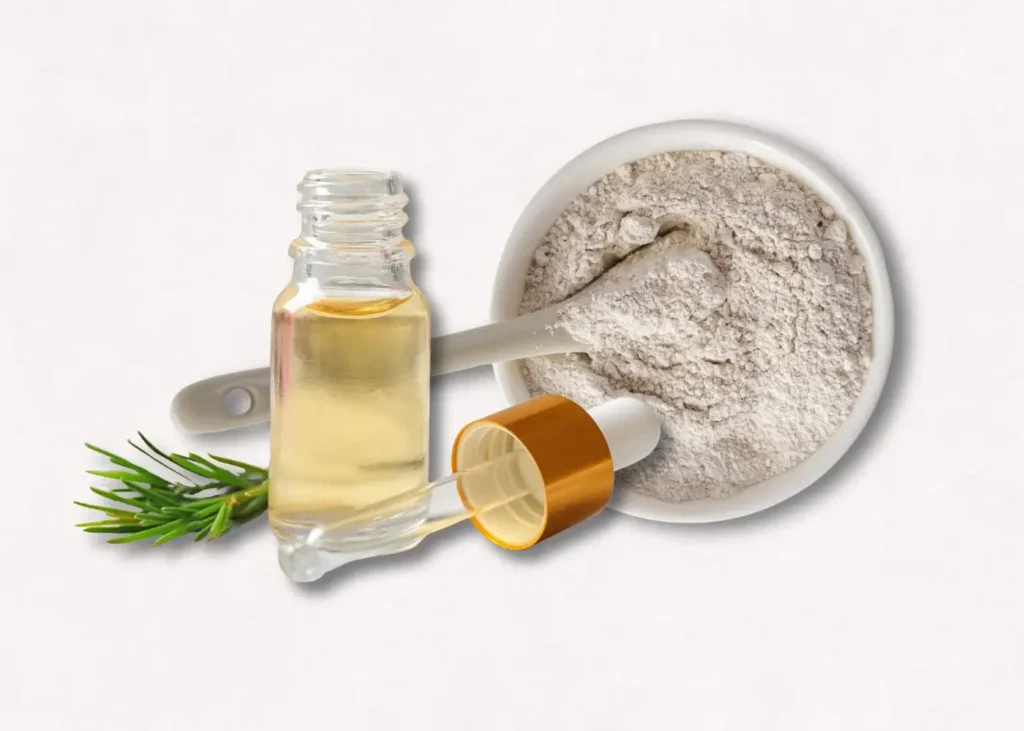
Designed for targeted use, this mask focuses on active breakouts rather than the entire face. Tea tree oil is commonly used in acne treatment for its clarifying properties, while clay helps absorb excess oil.
Ingredients
- 1 tablespoon clay
- 1–2 drops tea tree oil
- Water
Directions
- Mix the clay with water, then add tea tree oil.
- Apply directly to pimples using a cotton swab.
- Leave on for 8–10 minutes.
- Rinse gently with water and pat dry.
- Follow with moisturiser.
How often to use:
Up to twice weekly on affected areas only.
6. Lemon Juice & Honey Clarifying Mask
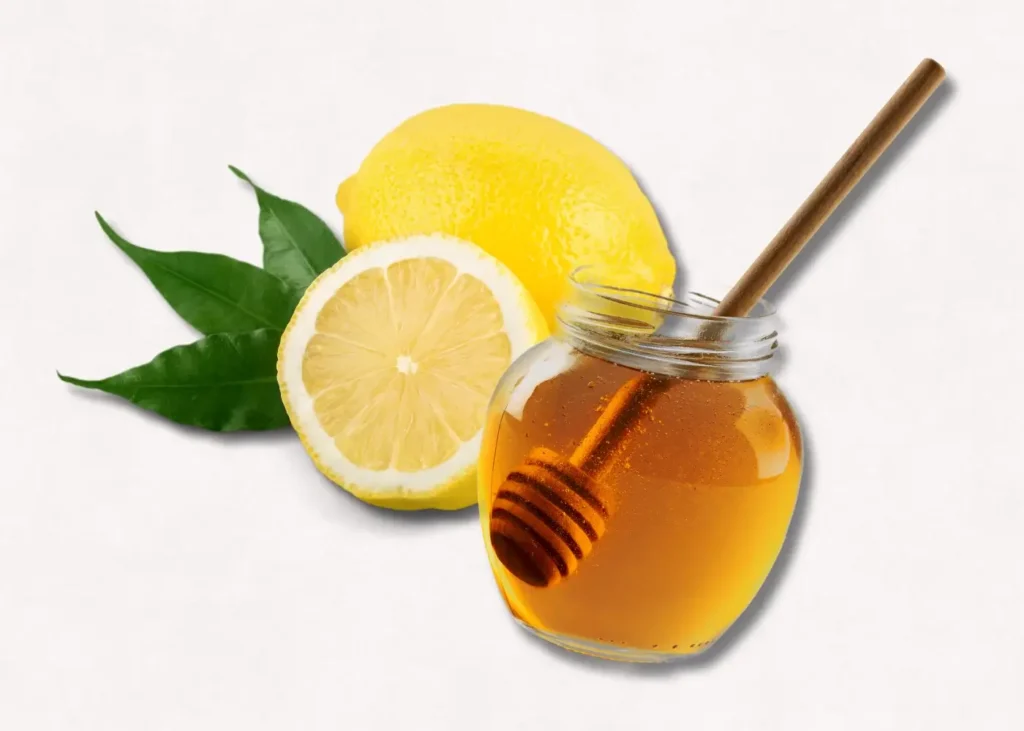
This mask is best approached thoughtfully and isn’t for everyone. While lemon juice is often cited in home remedies for acne thanks to its clarifying properties, its high acidity means it can easily irritate the skin—especially if your face is sensitive, inflamed, or prone to post-acne marks. Paired with honey, which helps buffer and soothe, this mask may work for very oily, resilient skin types, but it should never sting or burn. If it does, rinse immediately and skip this option going forward.
Ingredients
- 1 teaspoon lemon juice
- 1 tablespoon honey
Directions
- Mix ingredients thoroughly.
- Apply a thin layer to clean skin, avoiding sensitive areas.
- Leave on for 5–8 minutes only.
- Rinse well with water.
- Apply sunscreen if using during the day.
How often to use:
Once weekly at most. Avoid if skin is sensitive or compromised.
7. Rose Water & Sandalwood Pack
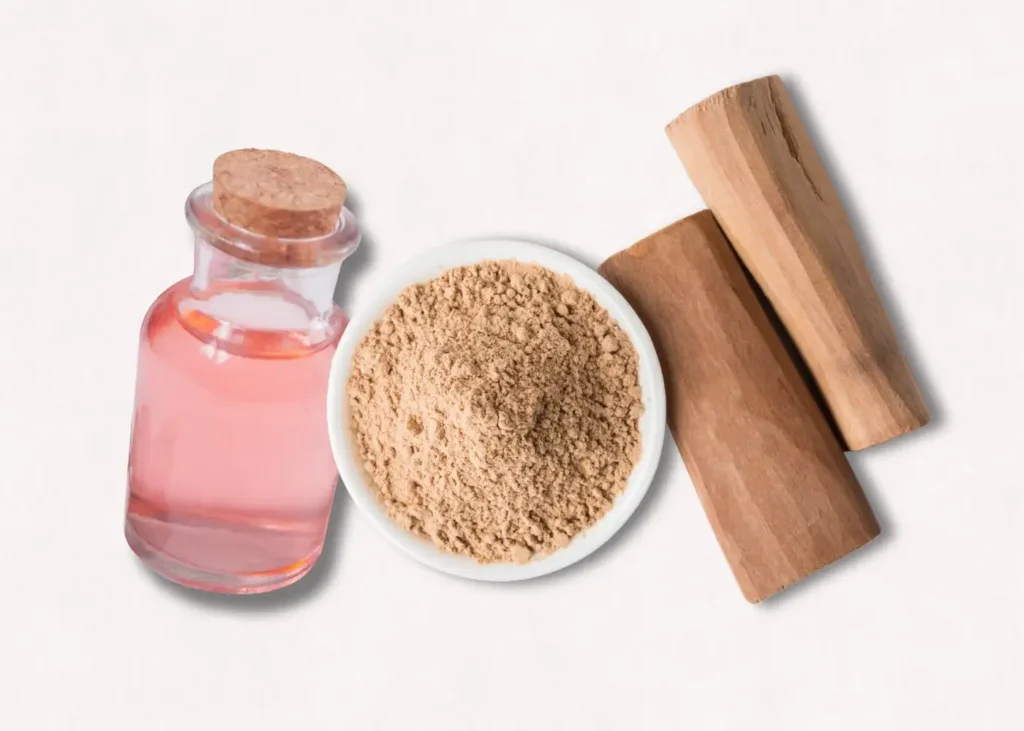
This cooling face pack feels refreshing and calming, making it ideal for acne-prone skin that flushes easily or feels inflamed.
Ingredients
- 1 tablespoon sandalwood powder
- Rose water (as needed)
Directions
- Mix sandalwood powder with rose water to form a smooth paste.
- Apply evenly to the face.
- Leave on for 15 minutes.
- Rinse with water and pat dry.
- Follow with a lightweight moisturiser.
How often to use:
1–2 times weekly.
8. Aloe Vera & Turmeric Mask
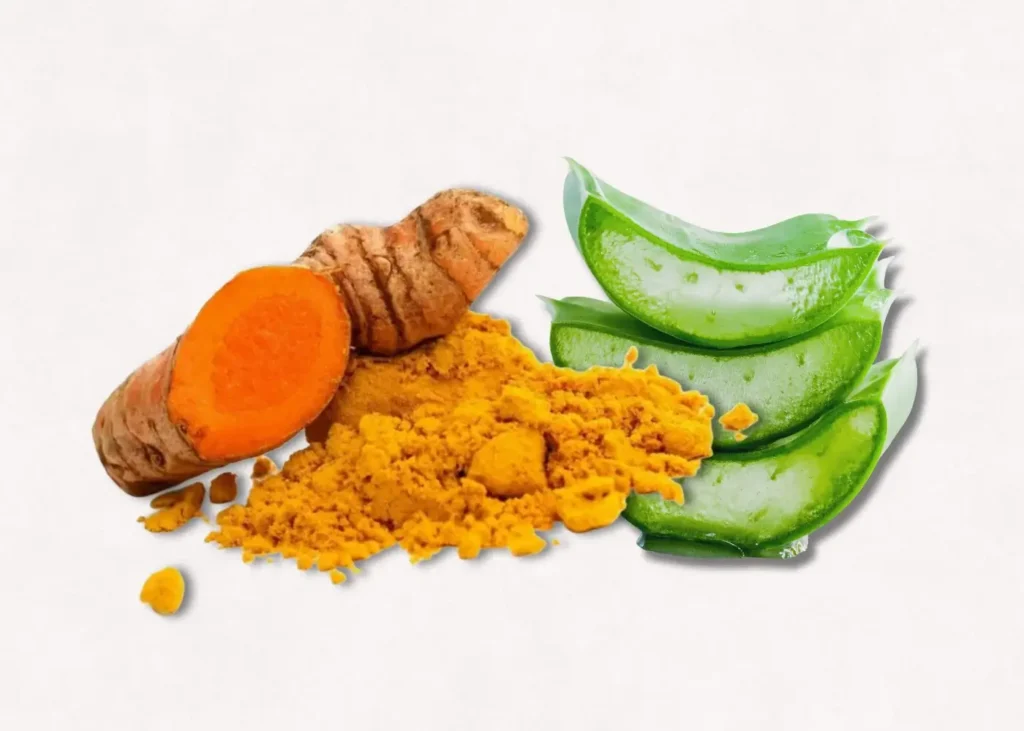
A gentler take on turmeric, this mask pairs a small amount of the spice with aloe vera gel to help calm the look of inflamed acne while supporting overall skin balance. Aloe vera soothes and hydrates, which helps offset turmeric’s potency—making this a more approachable option for acne-prone skin that wants clarity without irritation.
Ingredients
- 1 tablespoon aloe vera gel
- A pinch of turmeric powder
Directions
- Mix until fully combined.
- Apply a thin layer to clean skin.
- Leave on for 10–12 minutes.
- Rinse thoroughly with water.
- Moisturise to finish.
How often to use:
Once weekly.
9. Sea Moss & Aloe Balancing Mask
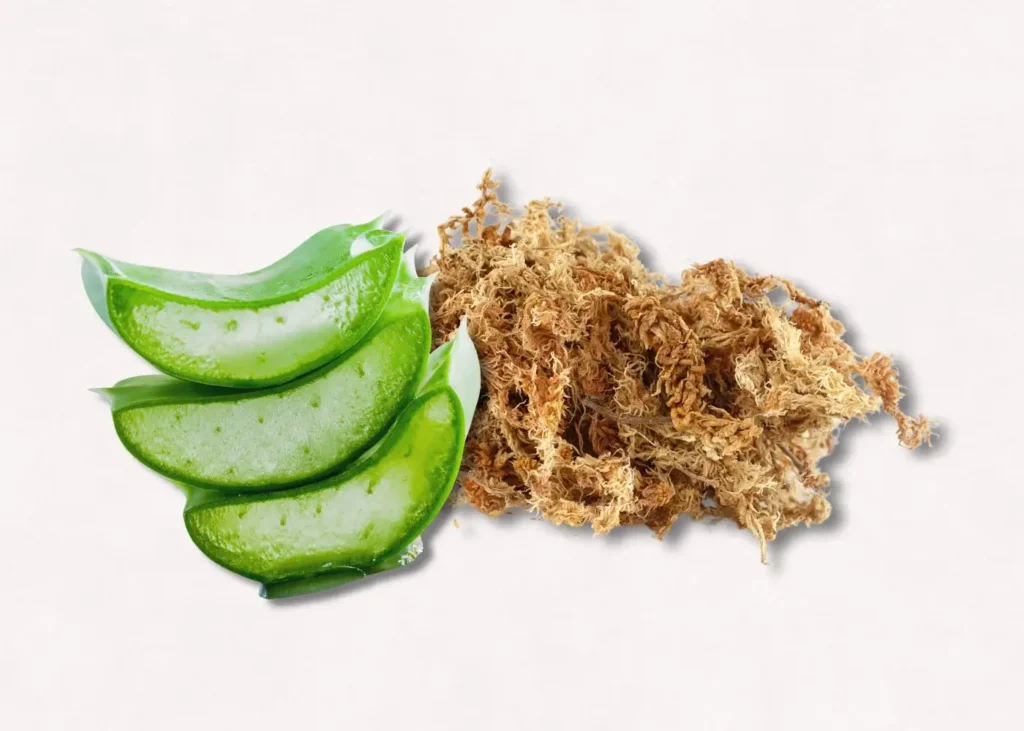
Sea moss has been quietly gaining attention for its mineral-rich profile, which can help support skin that feels depleted, inflamed, or out of balance. Paired with aloe vera, this homemade face mask focuses on hydration and calm rather than oil stripping, making it a thoughtful option for acne-prone skin that also experiences dryness or sensitivity. It’s the kind of mask that feels restorative—especially after a long week of active treatments.
Ingredients
- 1 tablespoon sea moss gel
- 1 tablespoon aloe vera gel (vera gel)
- A few drops of water (if needed)
Directions
- In a small bowl, combine the sea moss gel and aloe vera gel, mixing until smooth and evenly blended.
- If the texture feels too thick, add a few drops of water to reach a spreadable, gel-like consistency.
- Apply a thin, even layer to clean skin using clean fingers.
- Leave on for 12–15 minutes, allowing the mask to settle into the skin without fully drying.
- Rinse gently with lukewarm water and pat dry.
- Follow with a lightweight moisturiser to seal in hydration.
How often to use:
Once weekly, especially when skin feels dry, tight, or easily irritated.
RELATED: 5 DIY Sea Moss Face Mask Recipes
10. Cucumber & Oat Cooling Mask
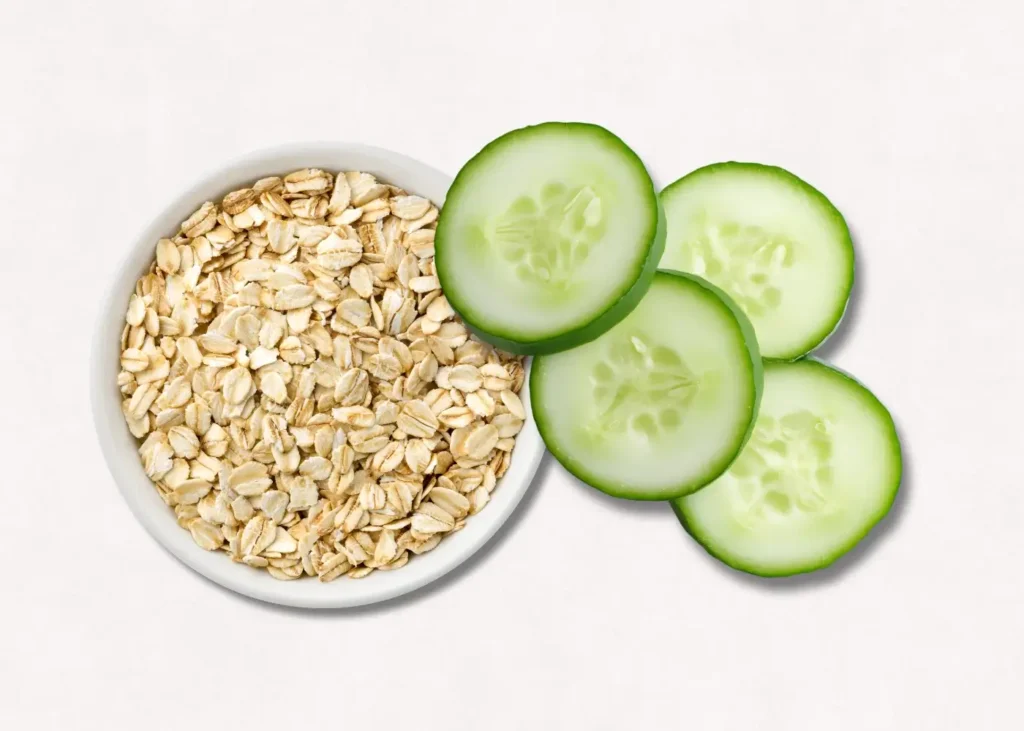
When acne comes with redness or heat, cooling ingredients can make all the difference. This mask combines cucumber and oatmeal to help soothe the skin while lightly absorbing excess oil. It’s refreshing, uncomplicated, and ideal for moments when your face needs a pause rather than another active ingredient.
Ingredients
- 2 tablespoons blended cucumber (fresh)
- 1 tablespoon finely ground oats
- 1 teaspoon honey (optional)
Directions
- Blend or mash the cucumber until it forms a watery puree.
- Stir in the ground oats (and honey, if using) until a soft paste forms.
- Apply a generous layer to clean skin, focusing on areas prone to redness or pimples.
- Leave on for 10–15 minutes.
- Rinse gently with cool to lukewarm water, avoiding scrubbing.
- Finish with moisturiser or a calming serum.
How often to use:
1–2 times weekly, especially during warmer months or after sun exposure.
TRY THIS NEXT: Struggling With Blackheads? Here Are 3 Ways To Get Rid Of Them Naturally At Home