


Heads up! We may use affiliate links in this post. You'll never pay more, but we might earn a small commission if you buy - thanks for supporting us! See our full disclosure here.
Ever noticed how almond oil seems to be in every beauty product these days?
There’s a good reason – this versatile oil is amazing for skin, hair, and overall wellness.
But quality almond oil can get pretty expensive, and it’s not always easy to know what’s actually in those store-bought bottles.
PIN FOR LATER 📌

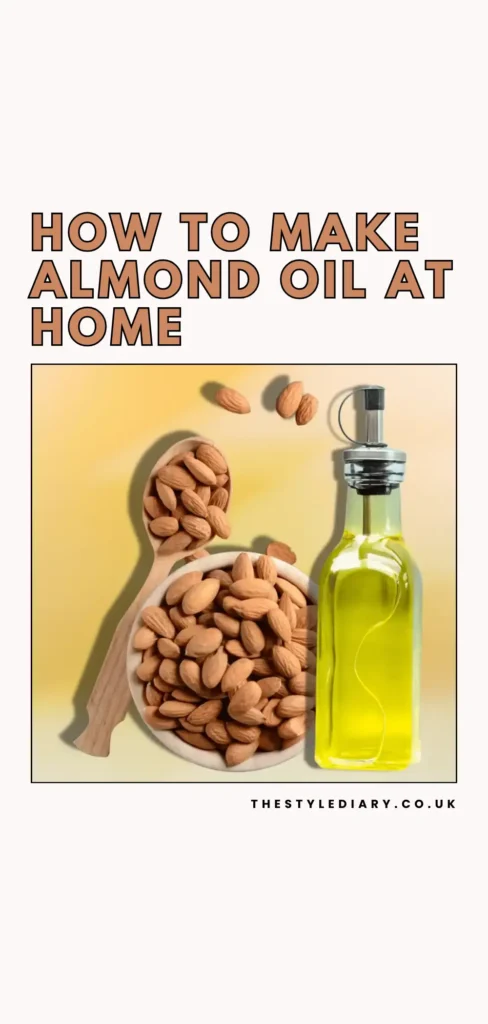
Good news!
Making your own is totally doable and might save you some money in the process!
Let’s walk through how to make pure almond oil at home.
Why Make Your Own Almond Oil?
- Control over ingredients
- Cost-effective in the long run
- Makes a lovely handmade gift
- Perfect for natural beauty enthusiasts


What You’ll Need
- Food processor or blender
- Cheesecloth or fine strainer
- Glass jar or bottle for storage
- Raw almonds
- Carrier oil (olive oil, coconut oil, or jojoba oil works great)
- Optional: essential oils for fragrance
The Step-by-Step Process
1. Gather Your Ingredients
Quality matters here! Look for fresh, raw almonds and choose a carrier oil that works for your needs. If you’re using this mainly for face care, jojoba oil makes a great carrier. For hair care, coconut oil might be your best bet.
2. Prep & Grind
Transform those almonds into the finest powder you can manage. The finer the grind, the better your oil extraction will be. You’ll notice the natural oils starting to release when you’ve got the right consistency.
3. Mix With Your Carrier Oil
Combine your almond powder with your chosen carrier oil using the 1:2 ratio (one part almond powder to two parts carrier oil). Mix well until everything is evenly combined.
4. The Infusion Period
Let your mixture sit for at least 48 hours in a cool, dark spot. Set a reminder to stir every 12 hours – this helps with the infusion process and ensures everything blends well.
5. Strain & Store
Carefully strain your oil through a cheesecloth or fine strainer. Take your time with this step to get all the good stuff out!
Storage Tips
- Use a dark glass bottle if possible
- Keep away from direct sunlight
- Use within 6 months
- Store in a cool, dry place
Ways To Use Your Almond Oil
- Daily moisturiser
- Hair conditioning treatment
- Cuticle care
- Gentle makeup remover
- Base for DIY beauty recipes
YOU MIGHT LIKE THESE TOO:
- 3 DIY Face Masks To Deeply Moisturise The Skin
- How To Easily Get Pink Lips Naturally
- 8 Aloe Vera Face Mask Recipes For Refreshed Skin
FAQs
While the initial purchase of ingredients might seem expensive, making almond oil at home typically costs 30-40% less than buying premium brands. Plus, you can reuse your equipment for future batches!
Yes, but it’s much more challenging and time-consuming. The cold-press method without carrier oil requires significantly more almonds and specialised equipment. For home use, the infusion method with carrier oil is more practical.
When stored properly in a dark, cool place, homemade almond oil typically lasts 6 months. Signs it’s gone bad include rancid smell, cloudy appearance, or unusual thickness.
– Jojoba oil: Best for facial use and acne-prone skin
– Coconut oil: Great for hair treatments and body care
– Olive oil: Good all-purpose option, especially for dry skin
– Sweet almond oil: Perfect if you want to maintain pure almond properties
While organic almonds are ideal, they’re not mandatory. Just ensure you’re using raw, unsalted almonds – roasted or salted nuts won’t work for oil making.
Absolutely! Add 2-3 drops of essential oil per 1/4 cup of almond oil. Popular choices include:
– Lavender for relaxation
– Tea tree for acne-prone skin
– Rosemary for hair growth
– Frankincense for anti-ageing
Cloudiness usually means there’s still almond sediment in your oil. Try straining it one more time through a finer cloth or coffee filter.
Final Thoughts
While it takes a bit of patience, making your own almond oil is a rewarding project that gives you complete control over what goes into your skincare.
Plus, there’s something satisfying about creating your own beauty products!
Have you tried making any DIY beauty products before? This might be a great place to start!