

Heads up! We may use affiliate links in this post. You'll never pay more, but we might earn a small commission if you buy - thanks for supporting us! See our full disclosure here.
If you have low porosity hair, you know how frustrating it can be when your hair looks shiny on the outside, but feels dry and brittle underneath.
Your favourite leave-ins, oils, and deep conditioners often just sit there instead of soaking in. You’re not imagining it—it’s a real porosity issue, and it needs a more tailored approach.
PIN FOR LATER 📌
One simple shift that can make a major difference? Pre-pooing. Short for “pre-shampoo,” this step helps prep your hair before cleansing so it can actually absorb moisture, rather than repel it.
Whether you’re caring for natural hair, curly hair, or any porosity hair type that resists hydration, this one step can completely reframe your hair care routine.
Understanding Low Porosity Hair (And Why It Acts the Way It Does)
Hair porosity refers to how easily moisture and product move into—and stay inside—your hair strand. With low porosity, the outer layer of the hair (the cuticle) is compact and tightly closed, like shingles on a roof sealed shut.
This sounds like a good thing, right? In theory, yes. But the downside is that moisture and products struggle to get in, often leading to:
- Product buildup on the surface
- Long drying times (your hair can stay wet for hours)
- Difficulty absorbing even the richest treatments
- Flatness or “greasy” roots even right after washing
By contrast, high porosity hair has raised cuticles—meaning it can absorb product easily, but loses moisture just as fast. Both need moisture, but low porosity hair needs help getting it in there to begin with.
If you think you might have high porosity hair, check out these posts instead ➡️ HIGH POROSITY HAIR
So What Is a Pre-Poo, Exactly?
A pre-poo is a pre-wash treatment applied to the hair (and sometimes scalp) before using shampoo. You can use an oil, a conditioner, a hair mask, or a combo.
The idea is to soften the cuticle, protect the hair from moisture-stripping cleansers, and create the right environment for better product absorption.
For low porosity hair, it acts like a gentle invitation, helping the tightly sealed hair shaft open up just enough to let moisture do its thing.


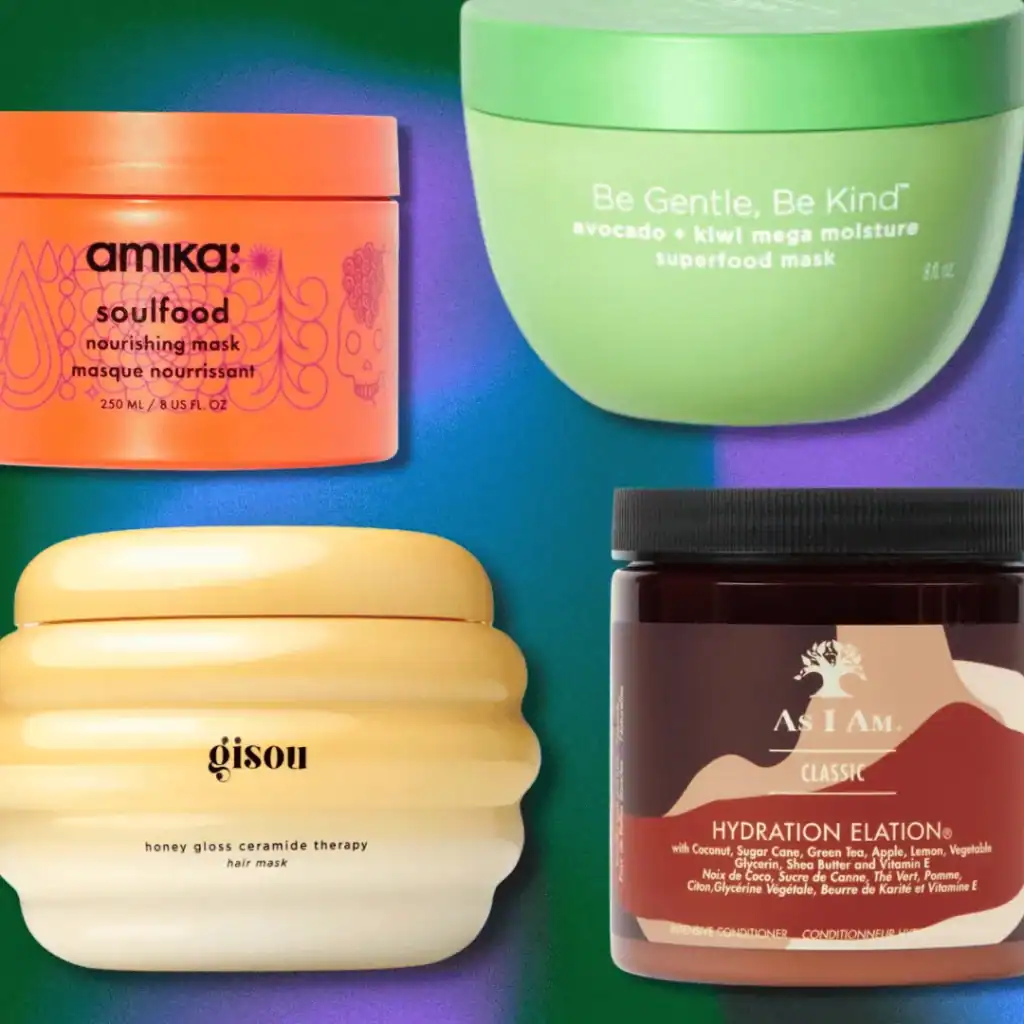

Why Pre-Pooing Is Essential for Low Porosity Hair
Let’s break it down into what it actually does:
- Boosts Moisture Absorption – Pre-pooing helps gently lift the cuticle—either through heat or nourishing ingredients—so that water and hydrating products can penetrate better. Think of it like warming up before a workout.
- Reduces Breakage and Tangles – When your hair is dry and tightly coiled, detangling can become a nightmare. A pre-poo with slip (i.e. glides easily) makes it much easier to work through knots without snapping strands.
- Protects During Shampoo – Most shampoos—yes, even the sulphate-free ones—can be a little aggressive for delicate or curly strands. A pre-poo creates a barrier that minimises moisture loss during the cleanse.
- Nourishes the Scalp – A scalp treatment with lightweight oils like jojoba oil can help dissolve product buildup and soothe irritation, setting the foundation for healthy hair from the root up.
Best Pre-Poo Ingredients For Low Porosity Hair
Not all hair products are created equal, especially for low porosity textures. Here’s what to reach for:
- Jojoba Oil – Closest in structure to the scalp’s natural sebum. Lightweight and non-greasy.
- Aloe Vera – Hydrating and great for scalp care. Works well mixed with oil or light conditioner.
- Sweet Almond Oil – Lightweight, full of vitamins, and fast-absorbing. A favourite for shine.
- Silicone-Free Conditioner – Great for a quick pre-poo if you’re short on time or new to oils.
💡 Pro Tip: Steer clear of protein-heavy masks or thick butters unless your hair is craving strength. Overusing these can lead to stiffness or buildup in low porosity strands.
RELATED:
- Stay Away From Coconut Oil, Shea Butter, Mineral Oil And Olive Oil If You Have Low Porosity Hair, Here’s Why
- Argan Oil vs Jojoba Oil: Which One Is Better For Your Hair?
- 3 Simple Ways To Use Aloe Vera For Low Porosity Hair
How To Pre-Poo For Maximum Results
Here’s a step-by-step guide to building this into your care routine:
- Start with dry or damp hair. Dry hair is more common, but slightly damp hair can help some treatments glide on more easily.
- Section your hair. Four to six sections work best for medium-to-thick textures.
- Apply your treatment generously. Focus on your ends first, then work up toward the roots.
- Finger detangle as you go. This minimises breakage and helps distribute the product evenly.
- Cover with a shower cap. Add gentle heat with a warm towel or hooded dryer for 15–30 minutes.
- Rinse, then shampoo as usual. Follow with a hydrating conditioner or deep conditioner for best results.
How Often Should You Pre-Poo?
This depends on how often you wash your hair, and how your strands are behaving. A few general rules:
- Once a week for dry, tangled, or breakage-prone hair
- Every other wash day if your hair is in a stable routine and doesn’t need much extra
- More often in the winter when low porosity hair tends to dry out
- Less often in summer if you’re co-washing or using lighter products
Noticing more frizz, dullness, or roughness? That’s a sign to bring your pre-poo treatment back in more regularly.
3 Product Recommendations (If You’re Not the DIY Type)
1. Melanin Haircare Multi-Use Pure Oil Blend
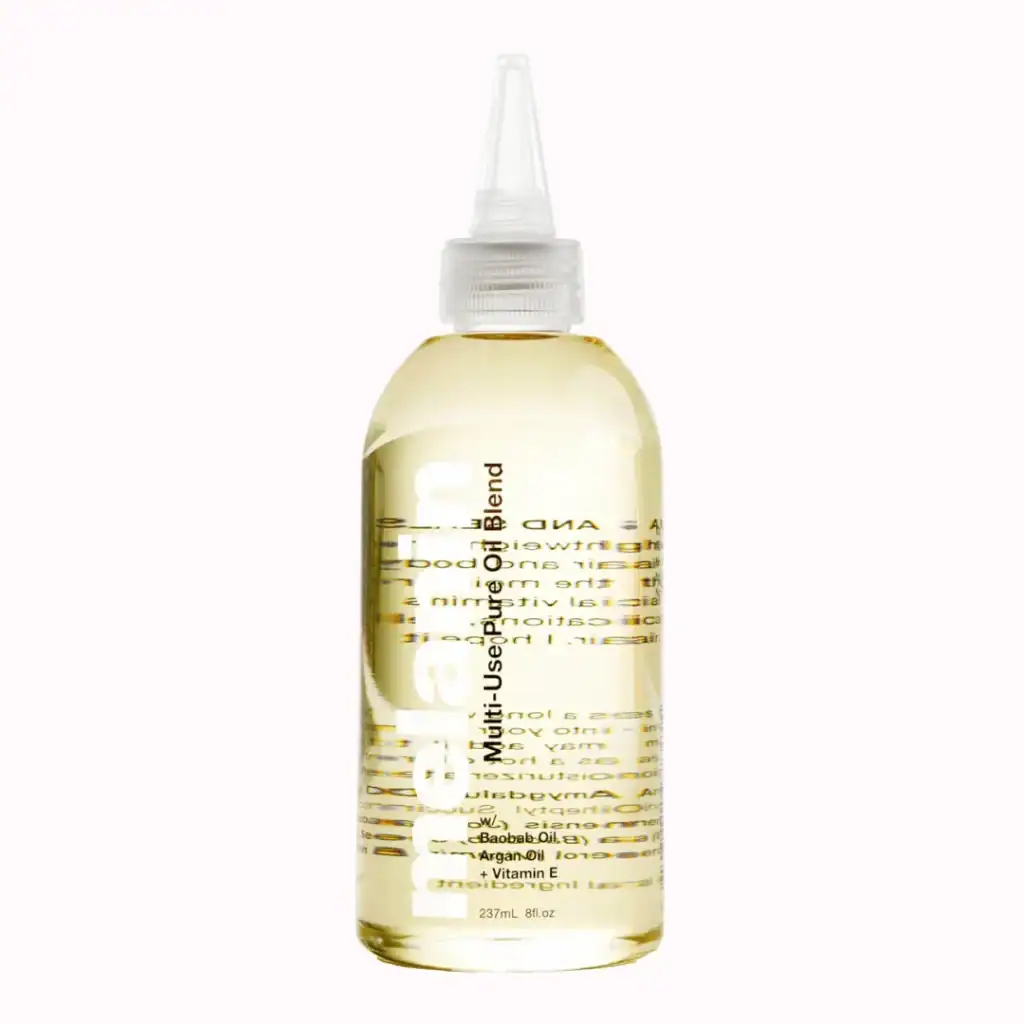
A cult-favourite for a reason. This lightweight blend includes jojoba oil, sweet almond oil, and baobab, which absorb easily without sitting on top of the hair. It’s versatile enough to use as a scalp treatment, sealant, or pre-poo, and the bottle lasts forever.
2. Mielle Organics Mongongo Oil Pre-Shampoo Treatment
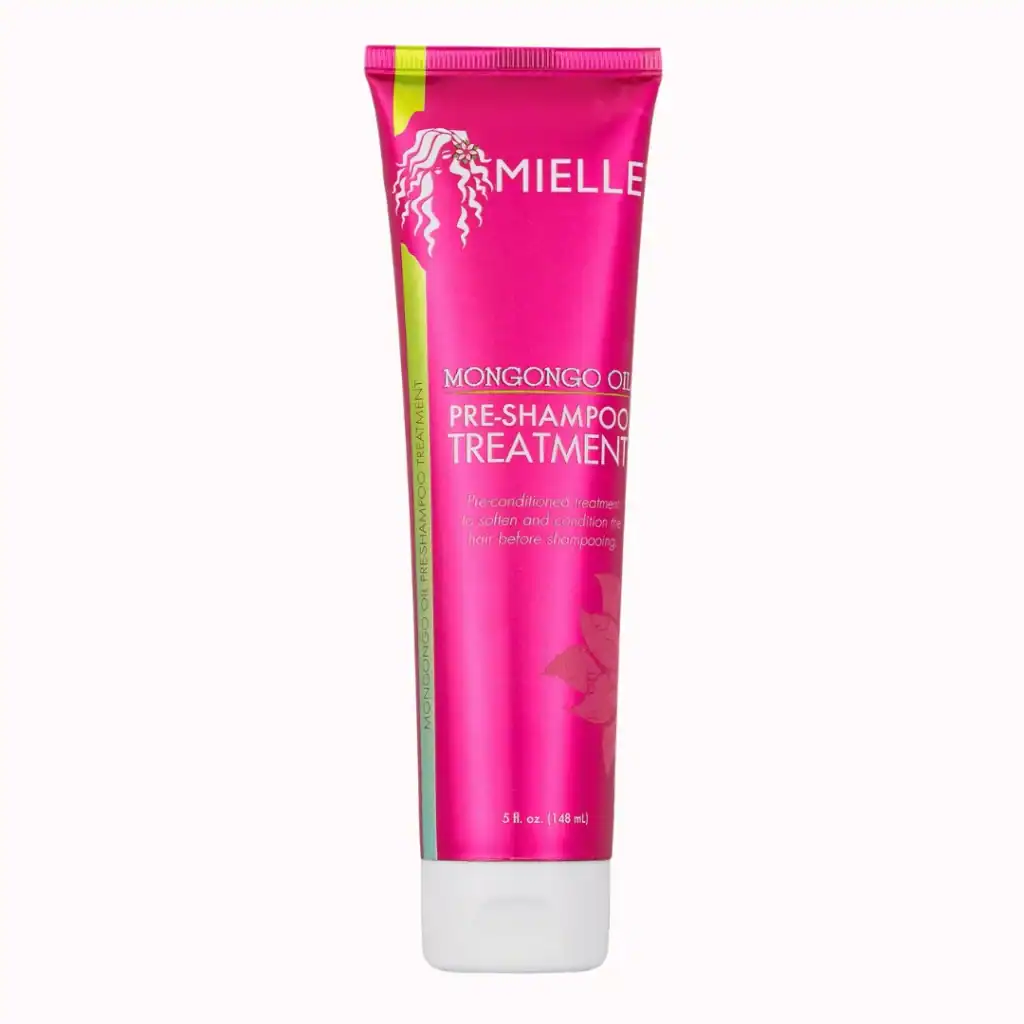
Specifically designed as a pre-poo, this formula softens hair fast and makes detangling noticeably easier. It’s ideal for tighter curl patterns or natural hair that needs extra conditioning without the heavy buildup. A solid option if your hair feels extra dry or overworked from styling.
3. The Doux One Love Co-Wash
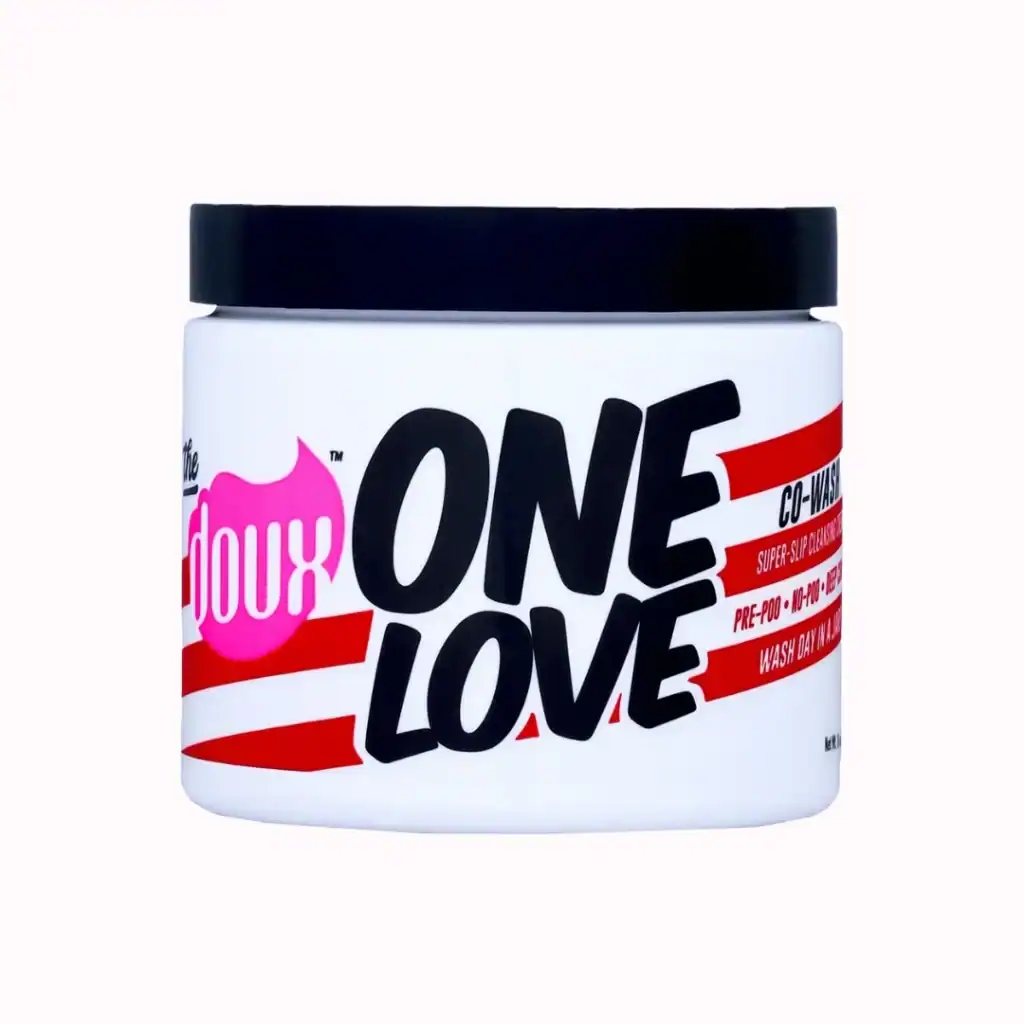
This isn’t marketed as a pre-poo, but it works beautifully as one, especially on days when you want to simplify your care routine. It’s lightweight, silicone-free, and adds just enough moisture and slip to prep the hair before cleansing.
FAQs
For most people with low porosity hair, pre-pooing once a week—or every time you wash your hair—is ideal. It helps soften the cuticle and improves moisture retention, especially if you’re dealing with dryness, tangling, or breakage. If your hair is in a good place and you’re using gentle products, you may only need to pre-poo every other wash day. Pay attention to how your hair feels—if it’s dry, dull, or harder to manage, that’s your cue to bring pre-pooing back into rotation more regularly.
Yes, absolutely. A lightweight, silicone-free conditioner can be a great pre-poo, especially for those who prefer quick, low-maintenance options. It adds slip for easier detangling and provides a gentle moisture boost before shampooing. Just make sure it’s not too heavy or protein-rich, as that can lead to buildup on low porosity hair. You can also mix it with a light oil like jojoba or sweet almond for extra nourishment.
Lightweight, fast-absorbing oils are best for low porosity hair. Jojoba oil is a top choice because it closely mimics the scalp’s natural sebum and won’t sit on the surface. Sweet almond oil and argan oil are also great—they add softness without feeling greasy. Some people find coconut oil works well too, as it penetrates the hair shaft, but it can be too heavy or stiffening for others. It’s always worth testing a small amount first to see how your hair responds.
Final Thoughts
Sometimes, the best changes are the smallest ones. Adding a pre-poo to your hair care routine isn’t about chasing trends or stacking on more products—it’s about working with your hair type instead of against it.
For those with low porosity hair, a little prep goes a long way toward healthy hair, smoother wash days, and curl patterns that actually feel hydrated and defined.
No dramatic overhaul, no extra stress—just one simple step that makes everything else work better.